
Discover 10 proven methods to shield your car’s paint from scratches, swirls, and chips. Learn about paint protection film, ceramic coatings, proper washing techniques, and more to keep your car looking new.
Your car’s paint job is more than just aesthetics; it’s a protective layer that preserves your vehicle’s value. From grocery store parking lots to loose gravel on the road, scratches and chips are a constant threat.
But fear not! Protecting your car’s finish is easier than you think. This guide will walk you through the best ways to shield your paint from harm and maintain that deep, glossy shine for years to come.
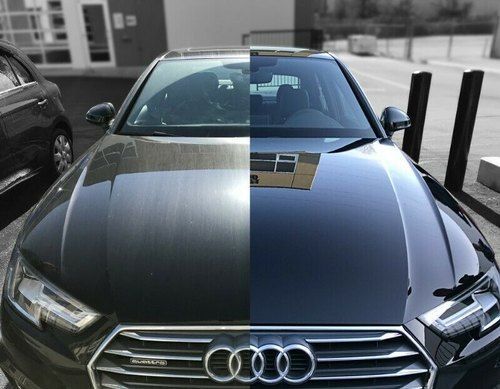
Featured Image Suggestion: A side-by-side comparison of a car with a flawless, shiny paint job next to a car with a scratched and faded paint job.
1. The Golden Rule: Proper Washing Techniques
Believe it or not, most scratches (called “swirl marks”) are inflicted during improper washing. Using a dirty rag or a drive-through brush wash is like sanding your clear coat.
- The Two-Bucket Method: This is essential. Use one bucket for soapy water and a second bucket with clean water for rinsing your wash mitt. This prevents dirt from being reapplied to the paint.
- Use a High-Quality Wash Mitt: Opt for a soft, microfiber chenille wash mitt instead of a sponge, which can trap abrasive particles.
- Choose pH-Neutral Car Shampoo: Never use dish soap! It strips away protective waxes and sealants. Use a shampoo designed specifically for automotive paint.
Image Suggestion: An infographic or photo clearly illustrating the two-bucket method.
2. Paint Protection Film (PPF): The Ultimate Shield
For the highest level of defense, Paint Protection Film (or clear bra) is unbeatable. This is a transparent, thermoplastic urethane film applied to the high-impact areas of your car (hood, fenders, bumper, mirrors).
- Pros: Provides incredible resistance against rock chips, bug acids, and light scratches. It’s nearly invisible and can be self-healing (minor scratches disappear with heat).
- Cons: It’s the most expensive option and best installed by a professional.
Image Suggestion: A close-up photo showing the edge of a PPF application on a car’s hood, demonstrating how invisible it is.
3. Ceramic Coating: The Long-Lasting Barrier
A ceramic coating is a liquid polymer that chemically bonds with your car’s factory paint, creating an extremely hard, hydrophobic (water-repellent) layer.
- Pros: Provides exceptional gloss, makes the car easier to clean, and protects against UV oxidation, chemical stains, and minor abrasions for years.
- Cons: While it protects against light scratches, it is not a forcefield against rock chips. Professional application is recommended for best results.
Image Suggestion: A high-quality video or GIF showing water beading dramatically on a ceramic-coated car surface.
4. Regular Waxing or Sealing: The Essential Maintenance
Even if you have a ceramic coating, regular waxing or sealing is the cornerstone of paint protection. These products add a sacrificial layer on top of your clear coat.
- Carnauba Wax: Provides a deep, warm shine but typically lasts only 1-3 months.
- Synthetic Sealant: Offers longer-lasting protection (3-6 months) and great durability, though some prefer the look of carnauba.
Aim to wax or seal your car at least every three to six months.
Image Suggestion: A photo of someone applying a thin layer of paste wax to a car panel.
5. Smart Parking Habits
Sometimes, the best protection is preventative.
- Park Strategically: Whenever possible, park at the end of the parking lot, away from other cars. This minimizes the risk of door dings.
- Seek Shade: Park in the shade or use a car cover to protect your paint from UV rays, which cause fading and oxidation over time.
- Avoid Trees: Parking under trees exposes your car to sap, bird droppings, and falling branches—all of which can damage paint quickly.
Image Suggestion: A photo of a car parked far away from other vehicles in a spacious part of a parking lot.
6. Immediate Removal of Contaminants
Bird droppings, bug splatter, and tree sap are acidic and will etch into your clear coat if left untreated.
- Keep a Quick Detailer in Your Trunk: Carry a spray bottle of quick detailer and a clean microfiber towel. Spray the contaminated area and gently wipe it away as soon as you can to neutralize the acid.
Conclusion: A Combination is Key
The most effective strategy for protecting your car’s paint is a combination of these methods. Start with proper washing techniques and regular waxing as your foundation. For superior, long-term protection, consider investing in a professional-grade solution like Paint Protection Film or a Ceramic Coating. By being proactive, you can keep your car looking showroom-new and protect its resale value for years to come.